Research
5 Humanoid Robots Pushing Robotics in New Directions
From TianGong Ultra to Figure and Skild AI, five humanoid robotics efforts are tackling locomotion, manufacturing, interaction, data and intelligence.
Forget the usual “top humanoid robots” list.
The interesting story in humanoid robotics right now isn't which robot looks the most futuristic. It's what each company is trying to solve beyond simply making a machine walk on two legs.
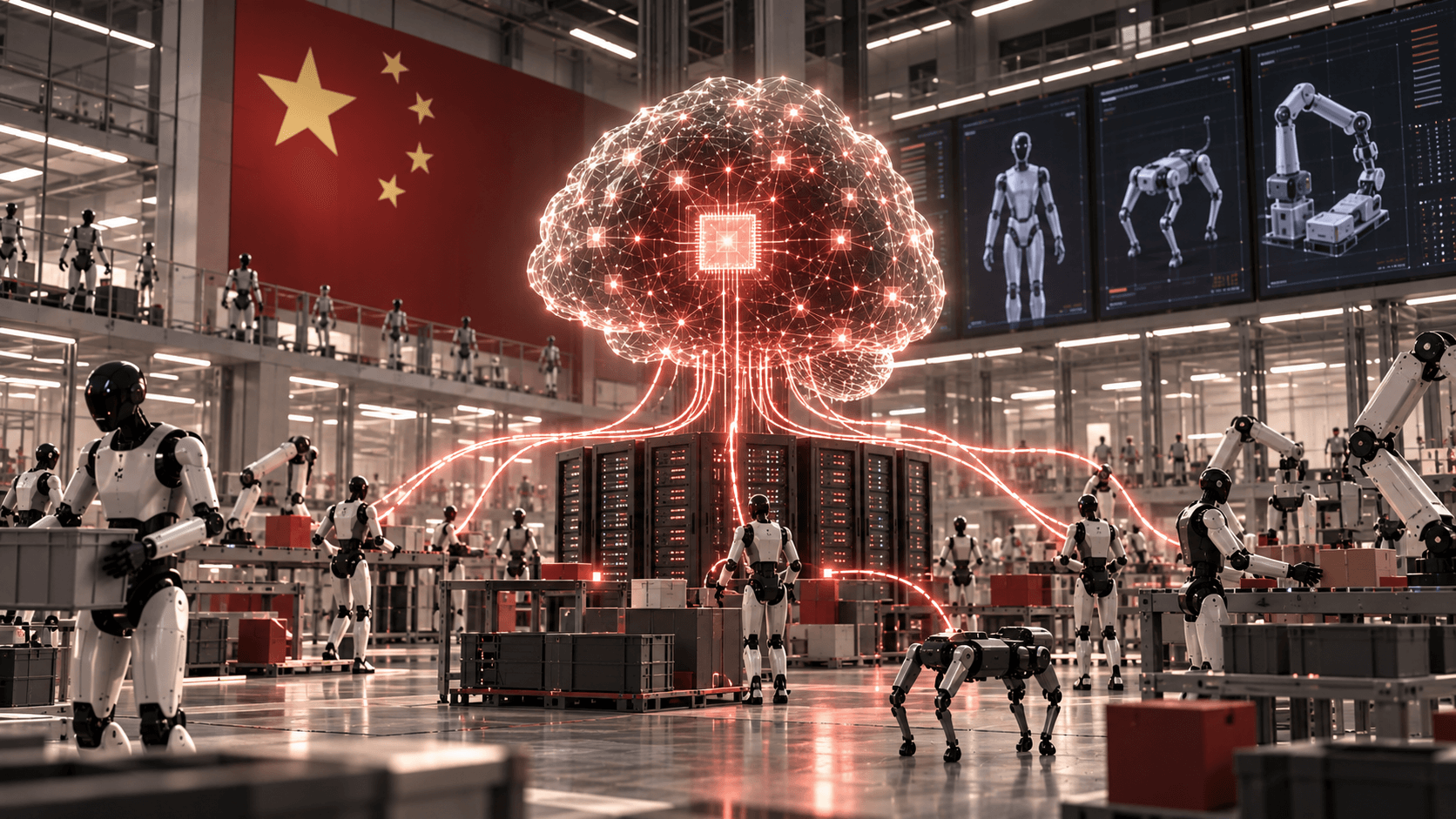
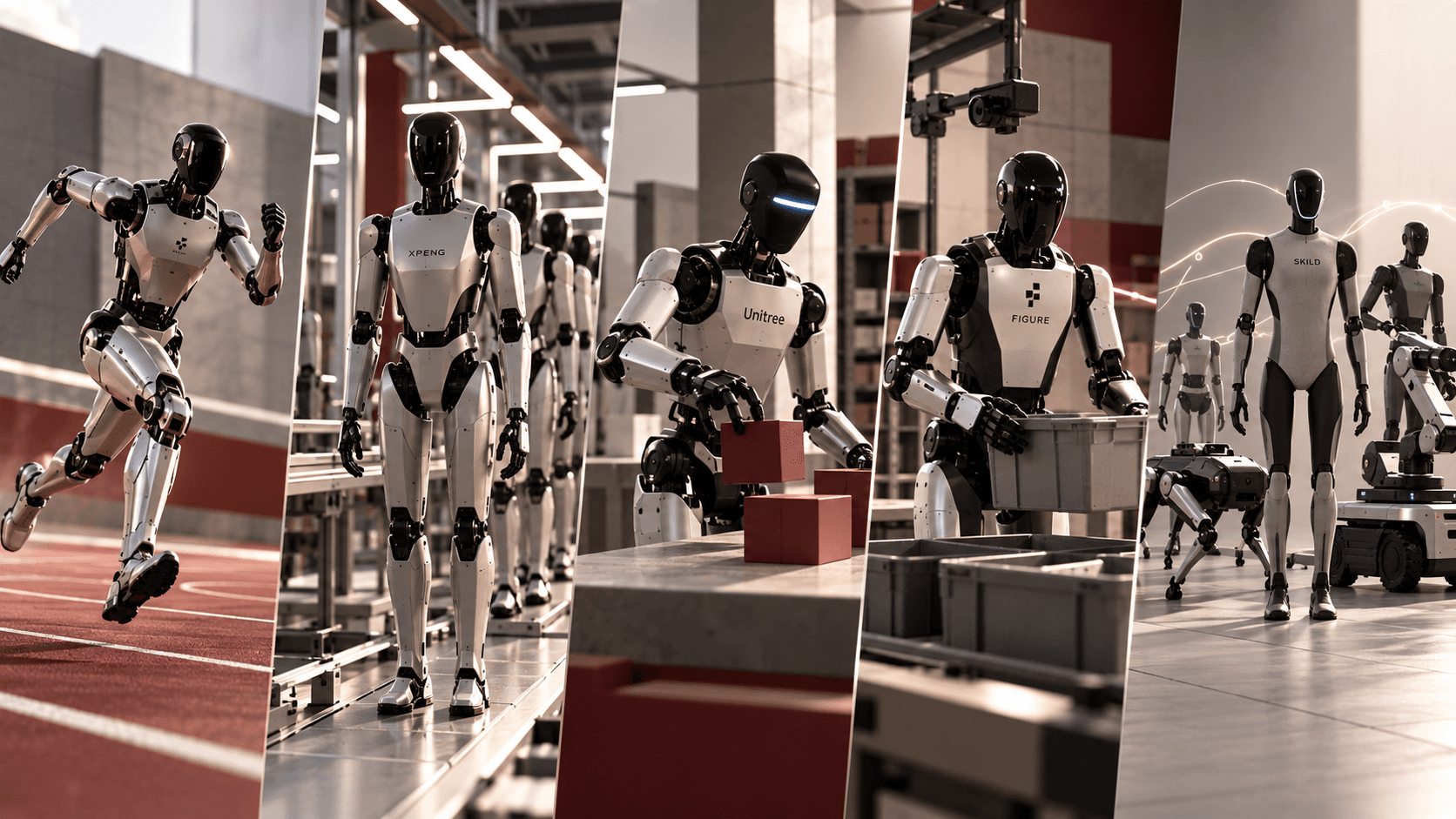
TianGong Ultra is pushing the limits of locomotion. XPeng IRON is tackling the manufacturing problem. Unitree G1 is making physical interaction more accessible to researchers and developers. Figure is turning real-world operation into training data. And Skild AI is working on the intelligence layer that could eventually make those skills transferable across different robots.
Together, they show that the humanoid race is becoming less about building a single impressive machine and more about solving the different pieces required to make general-purpose robots actually useful.
TianGong Ultra Is Pushing Humanoid Locomotion
A humanoid that can walk is interesting. A humanoid that can sprint is a very different engineering problem.
TianGong Ultra made headlines after achieving a reported 100-meter sprint in 8.64 seconds in Beijing in August 2026. The robot was developed by the Beijing Humanoid Robot Innovation Center and has been positioned around high-speed locomotion and real-world industrial applications. (Xinhua)
But the interesting part isn't simply the record.
High-speed bipedal movement requires a robot to continuously manage balance, foot placement, joint coordination, and changes in momentum. Every step becomes a control problem, and mistakes become much harder to recover from when the robot is moving quickly.
That matters if humanoids are eventually expected to move through factories, warehouses, and other environments designed for people.
TianGong Ultra represents one side of the humanoid challenge: making the body capable of moving through the physical world at useful speeds.
XPeng IRON Is Tackling the Manufacturing Problem
Getting a humanoid to work in a laboratory is one challenge. Building thousands of them is another.
That is where XPeng IRON becomes interesting.
XPeng has positioned its humanoid program around large-scale production, with the company developing dedicated manufacturing capabilities alongside the robot itself. The company has said it plans to begin mass production of IRON, rather than treating the humanoid purely as an experimental prototype. (XPeng)
Mass production changes the problem completely.
A research prototype can be individually assembled, adjusted, and tested. A commercially viable humanoid needs repeatable manufacturing, reliable components, quality control, supply chains, and a cost structure that makes deployment possible.
This is an underappreciated part of the humanoid race. Even if a robot becomes technically capable, it doesn't matter how impressive the prototype is if producing the next thousand units is prohibitively difficult.
XPeng IRON therefore represents another piece of the puzzle: scaling the physical machines themselves.
Unitree G1 Makes Physical Interaction More Accessible
Then there is the question of what humanoids can actually do once they are moving.
The Unitree G1 has become one of the more accessible humanoid platforms for research and development. Its relatively compact form factor, available development interfaces, and support for manipulation research have made it useful for experimenting with locomotion, perception, grasping, and whole-body control.
That accessibility matters because humanoid robotics improves through experimentation. Researchers need platforms they can actually deploy, modify, and connect to their own software and learning systems.
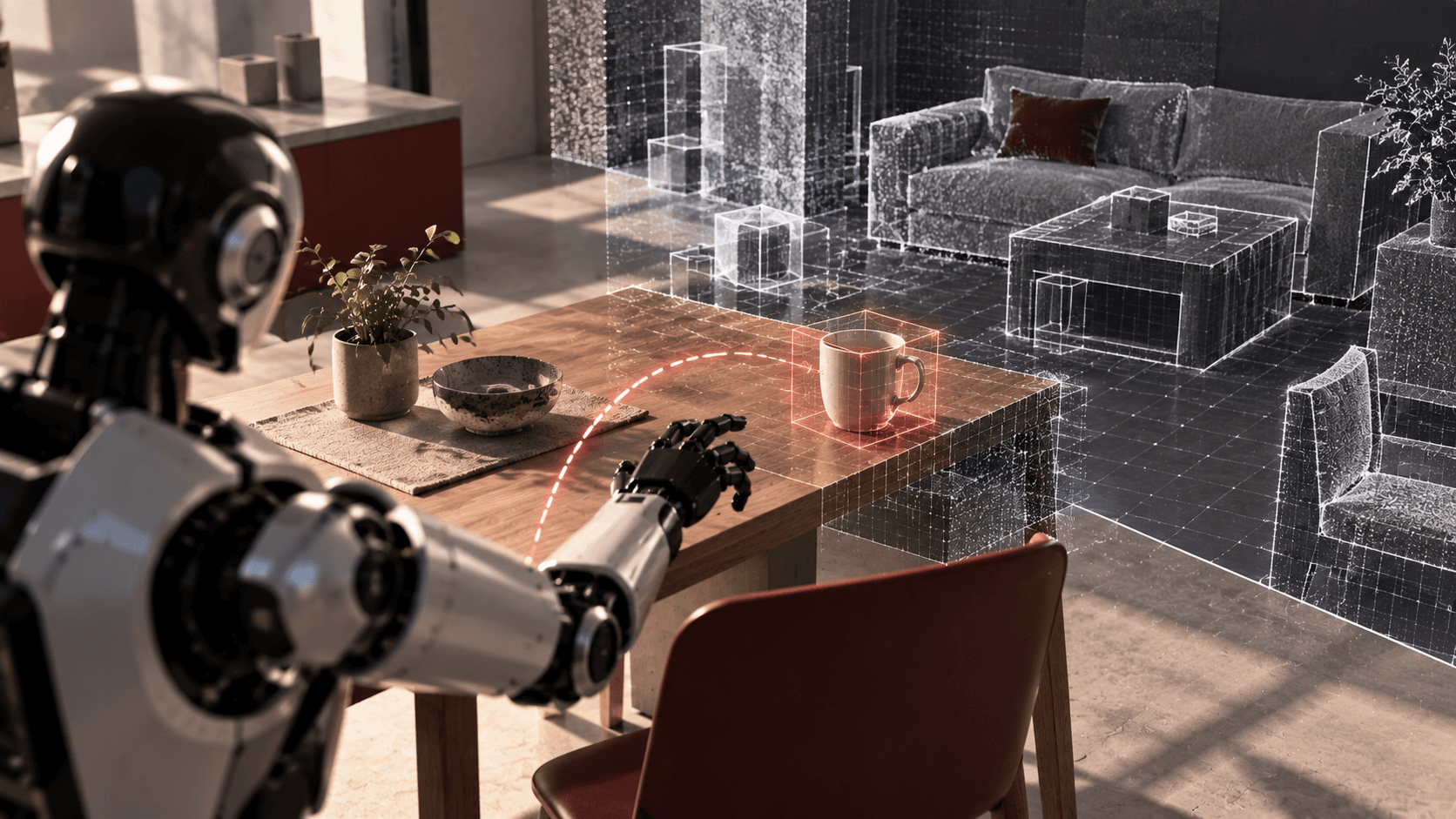
The G1 also sits at an interesting intersection between hardware and AI. A robot can only learn physical interaction if researchers can repeatedly put it in situations where it has to perceive an object, move toward it, grasp it, manipulate it, and recover when something goes wrong.
That makes platforms like the G1 important not because they have solved manipulation, but because they provide more researchers with a physical system on which to experiment with it.
We've seen the same problem in simulation with tasks such as peg insertion in MuJoCo, where contact-rich interaction becomes a much harder problem than simply moving a robot from one position to another.
Figure Is Turning Robot Experience Into Data
Once robots start interacting with the physical world, something else becomes valuable: the experience they generate.
Figure has been putting significant emphasis on this idea. Its humanoid robots are being deployed to collect real-world interaction data that can be used to train increasingly capable AI systems.
This is important because physical intelligence needs physical experience.
A robot might know from vision that an object is a cup, but learning how to reliably pick it up involves understanding grasp points, force, contact, geometry, movement, and what to do when the first attempt doesn't work.
Every successful and unsuccessful interaction can potentially provide useful information for future models.
Figure's work therefore represents another part of the humanoid stack: turning robot operation into a data-generation loop.
We've covered this shift in the race to build a robot foundation model, where data has become one of the central bottlenecks in building general-purpose robot intelligence.
Skild AI Is Going After Generalization
And that leads to the bigger question.
Even if you have capable hardware and enormous amounts of robot data, how do you make the resulting intelligence work across different robots and different tasks?
That's where Skild AI is taking a different approach.
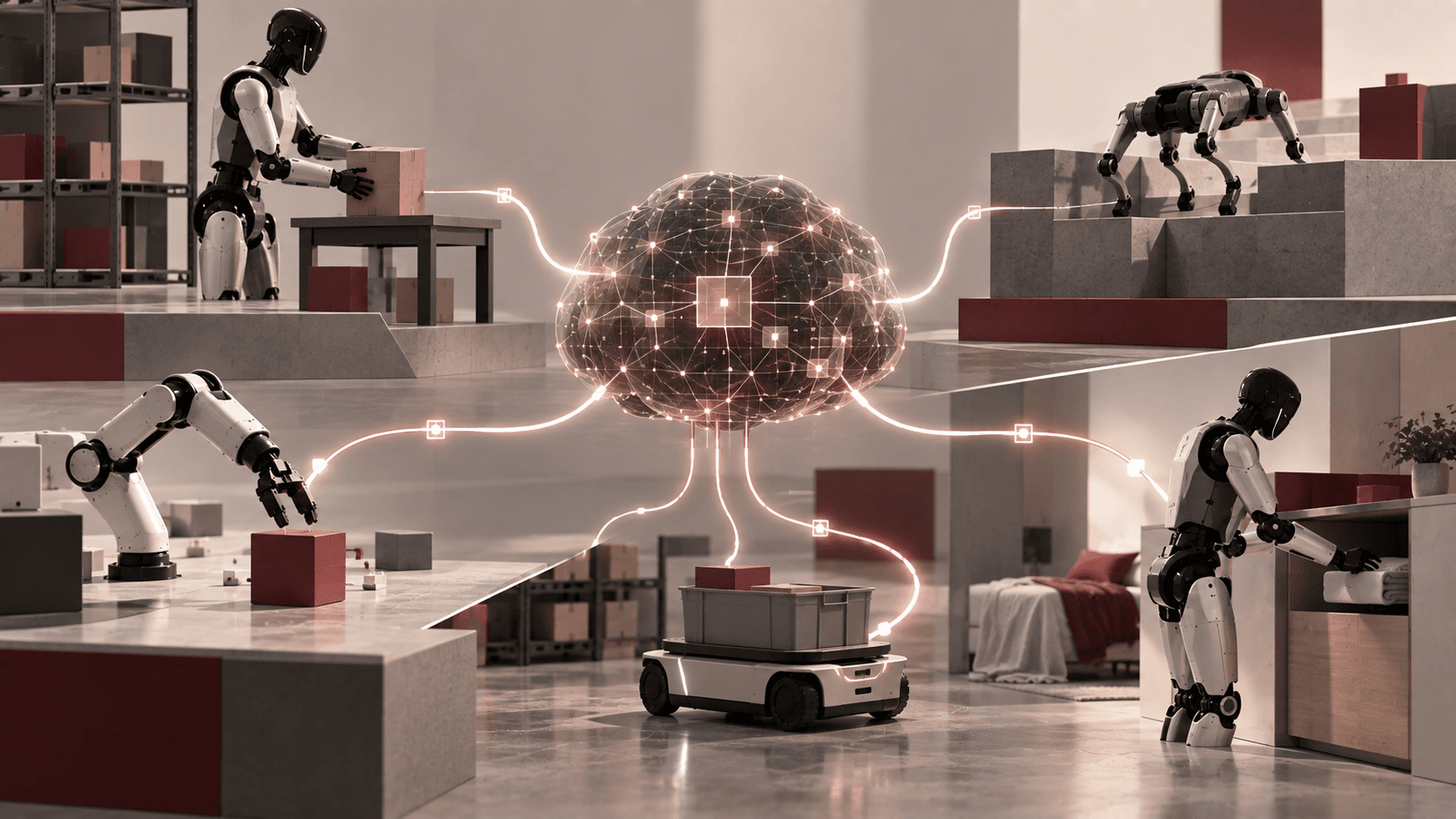
Skild is developing generalist robotics models designed to operate across different embodiments rather than building a completely separate intelligence stack for every robot. Its broader vision is an “omni-bodied” model that can transfer knowledge between different types of robots and tasks. (Skild AI)
The importance of this approach becomes clearer when you look at the other four examples.
TianGong is improving locomotion. XPeng is working on production. Unitree provides a platform for physical interaction. Figure is collecting experience.
But eventually, that experience needs to become generalizable intelligence.
A robot shouldn't have to relearn everything because its body changed. Ideally, knowledge about grasping, navigation, manipulation, and physical interaction should carry over to the next robot.
That's the problem foundation models are trying to solve in robotics, and it may ultimately be what connects all the other pieces together.
The Humanoid Race Is Becoming a Systems Race
These five examples represent very different approaches, but they fit together surprisingly well.
A useful humanoid needs a body that can move through the world. It needs to be manufacturable at meaningful scale. It needs hands and control systems capable of interacting with physical objects. It needs enough real-world experience to learn from. And eventually, it needs intelligence that can transfer those skills across new tasks and environments.
No single breakthrough solves all of that.
The interesting part of the current humanoid race is therefore not simply watching robots become faster, cheaper, or more capable in isolation. It's watching the entire stack develop at the same time.
Locomotion. Manufacturing. Manipulation. Data. Intelligence.
The humanoid race isn't just about building a robot that looks human.
It's about making them move, scale, interact, learn, and eventually generalize.
FAQ
What makes these humanoid robots different?
Each represents a different part of the robotics problem. TianGong Ultra focuses heavily on locomotion, XPeng IRON on manufacturing, Unitree G1 on accessible robotic hardware and physical interaction, Figure on real-world robot data, and Skild AI on general-purpose robot intelligence.
What is TianGong Ultra known for?
TianGong Ultra is known for its high-speed bipedal locomotion. It reportedly completed a 100-meter sprint in 8.64 seconds in 2026. (Xinhua)
Why is humanoid mass production difficult?
Humanoids contain many actuators, sensors, controllers, batteries, mechanical components, and software systems. Scaling production requires reliable manufacturing processes, component supply chains, quality control, and cost reduction.
Why is robot data important?
Physical interaction produces information about how objects, environments, and robot actions behave. Large amounts of diverse interaction data can be used to train models that learn more general physical skills.
What does Skild AI mean by generalist robotics?
Skild AI is developing models intended to transfer learned capabilities across different robot embodiments and tasks rather than tying intelligence to one specific robot. (Skild AI)
Related Reading
- The Race to Build a Robot Foundation Model: the intelligence layer behind the push toward general-purpose robots.
- Why Robot Hands Are So Hard?: why manipulation remains one of the hardest physical problems.
- New Ways We're Training Robots Without Building More Robots: how simulation, demonstrations, video, and synthetic data expand robot experience.
- Teaching a Robot to Find Its Own Path: a practical example of combining robot hardware with planning and navigation.